
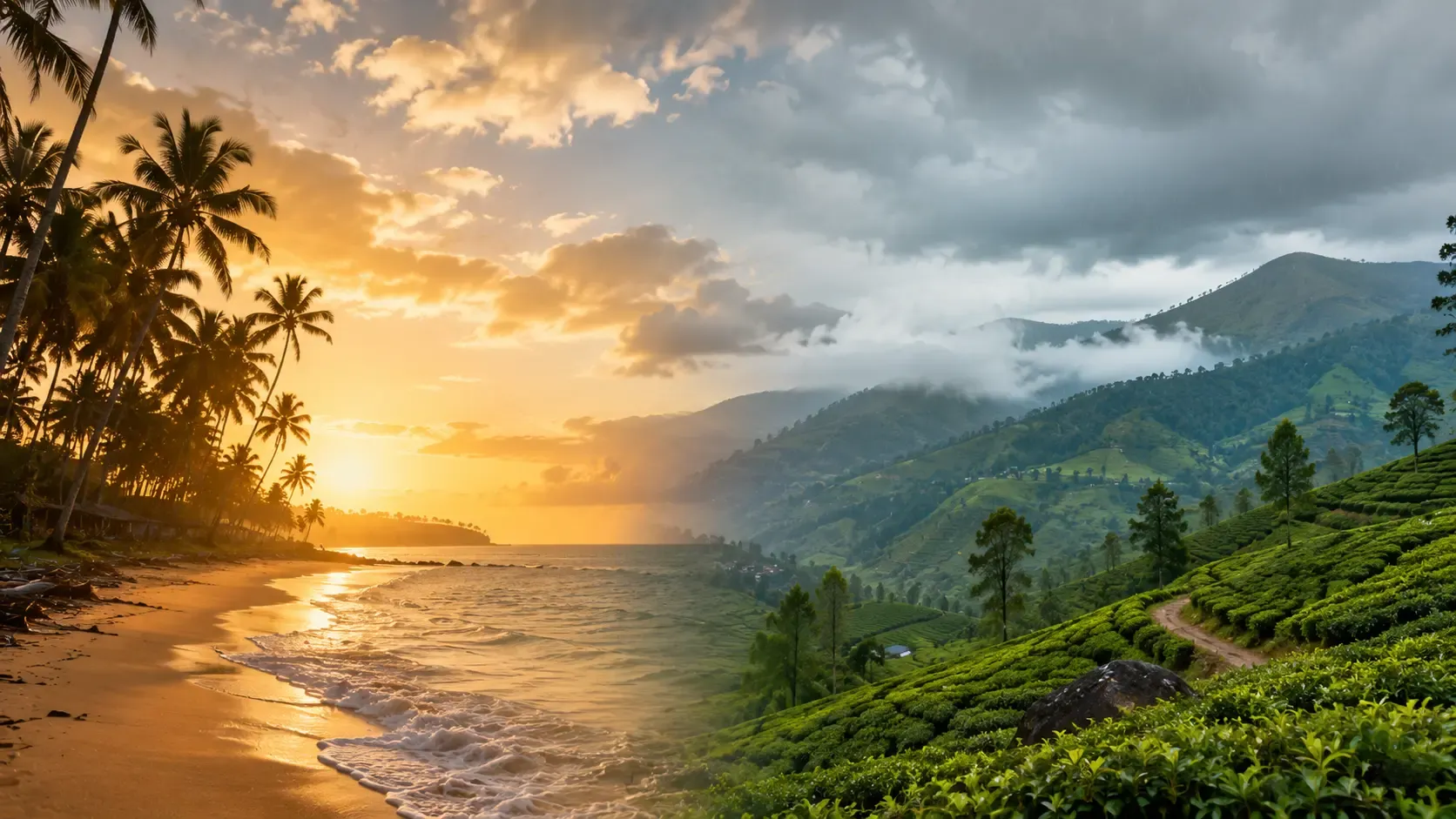
A lot of travel advice treats "best time to visit" as a single answer. For Sri Lanka, that's misleading. The island sits at the crossroads of two monsoon systems, meaning the west and south coasts and the east coast tend to have their drier, calmer periods at different points in the year.
Two Coasts, Two Rhythms
Broadly speaking, when one coast is experiencing its wetter season, the other tends to be enjoying calmer, drier conditions - which is part of why Sri Lanka works well as a year-round destination if you're flexible about which region you focus on.
The Hill Country Runs on Its Own Clock
Higher-elevation areas tend to stay cooler and greener throughout the year, with their own rainfall patterns that don't always match the coastal regions.
Plan Around Activity, Not Just Weather
Surfers, wildlife watchers, and beach travelers often care about different conditions entirely - swell consistency, dry trails, calm seas. Rather than chasing a single "ideal month," it's usually more useful to match the season to what you actually plan to do, and check current conditions closer to your travel dates.
There's No Wrong Time - Just a Different Trip
Visiting in a wetter month doesn't mean a bad trip; it often means fewer crowds and lush, dramatic scenery. Understanding the general pattern just helps you plan around it intentionally.
Related Insights & Articles

August 24th 2026
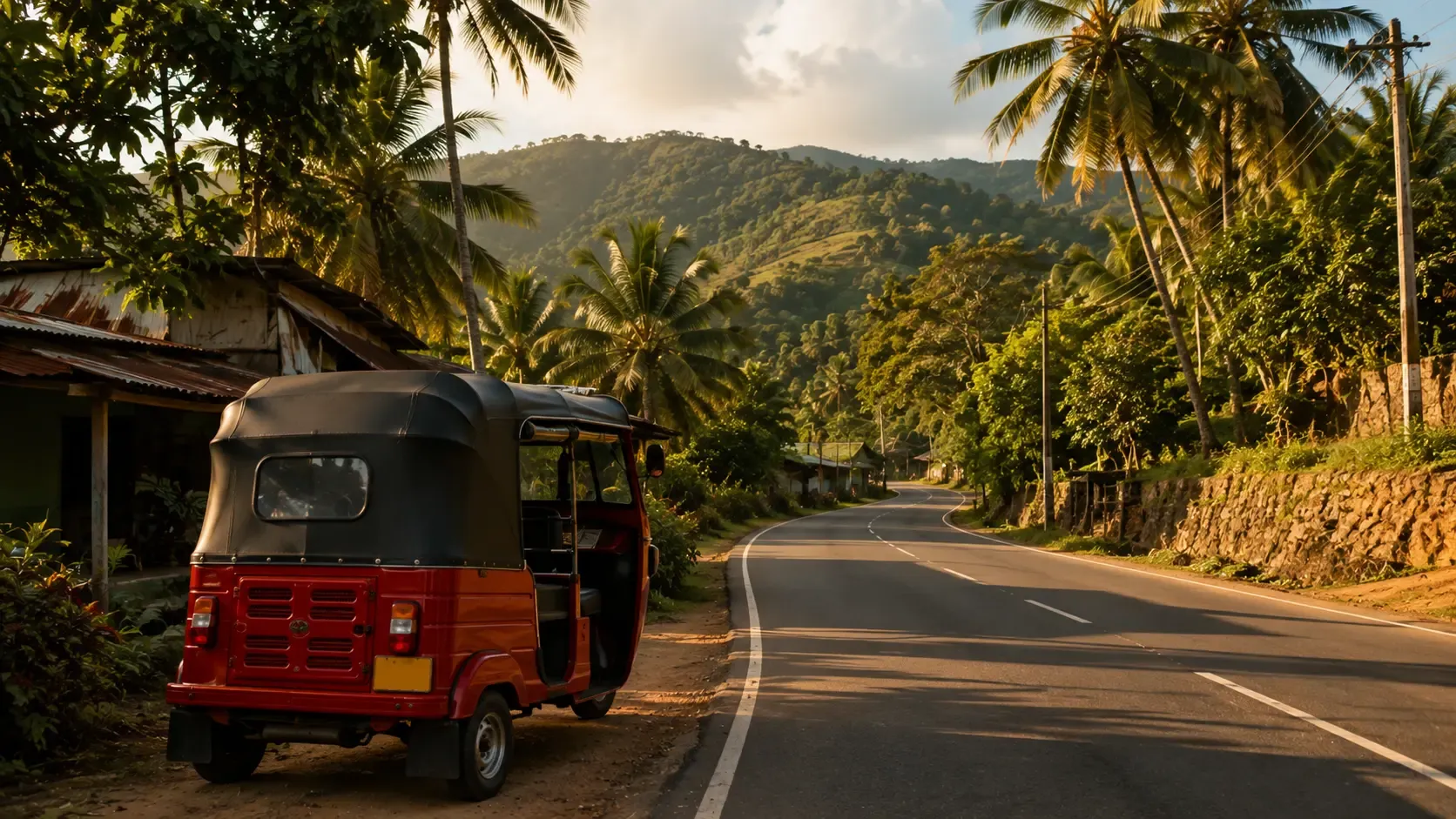
Getting Around Sri Lanka: Transport Options Compared

August 24th 2026
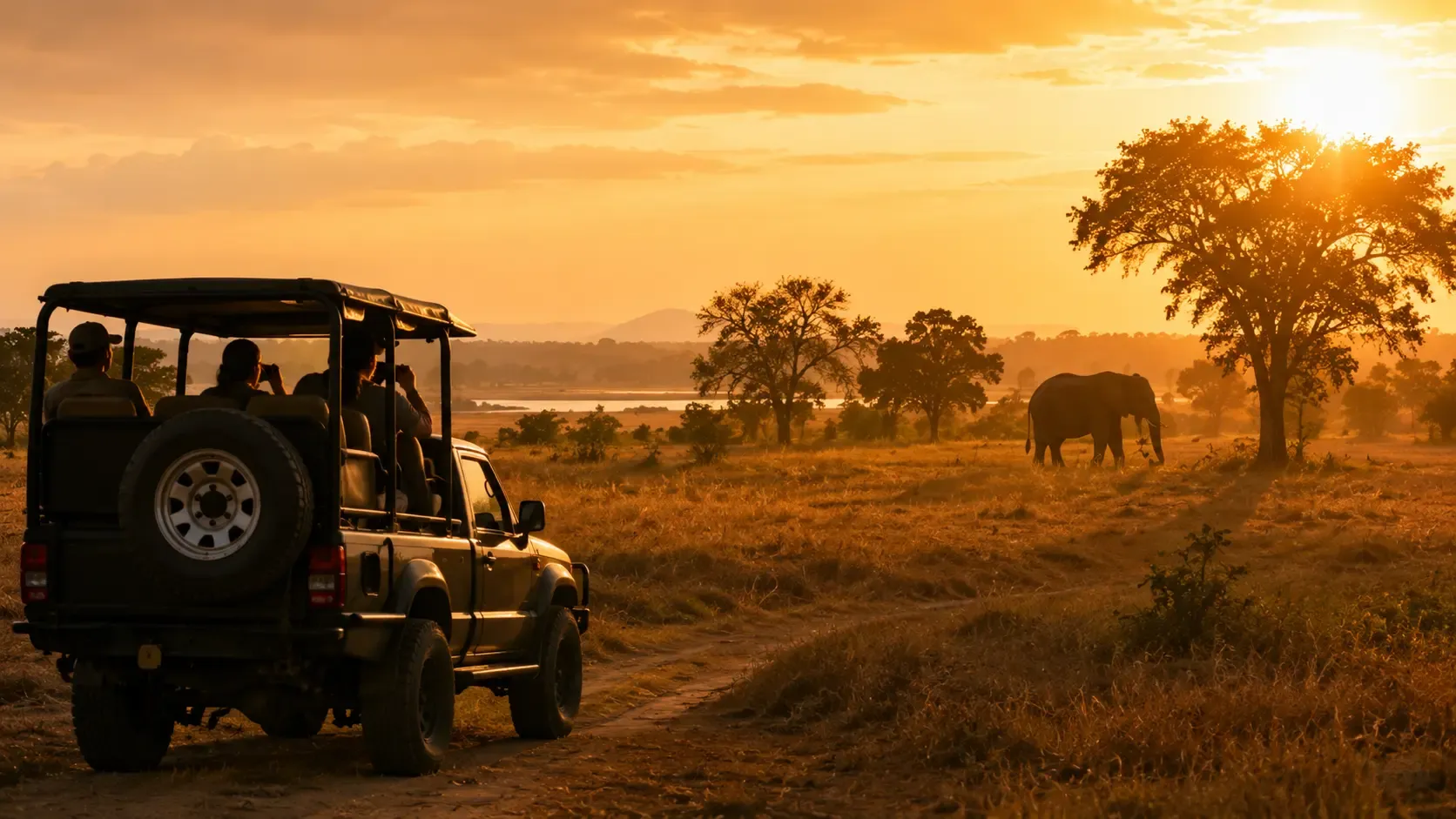
Wildlife Watching in Sri Lanka: What to Know Before You Go


August 24th 2026
A First-Timer's Guide to Planning a Multi-Stop Sri Lanka Itinerary