
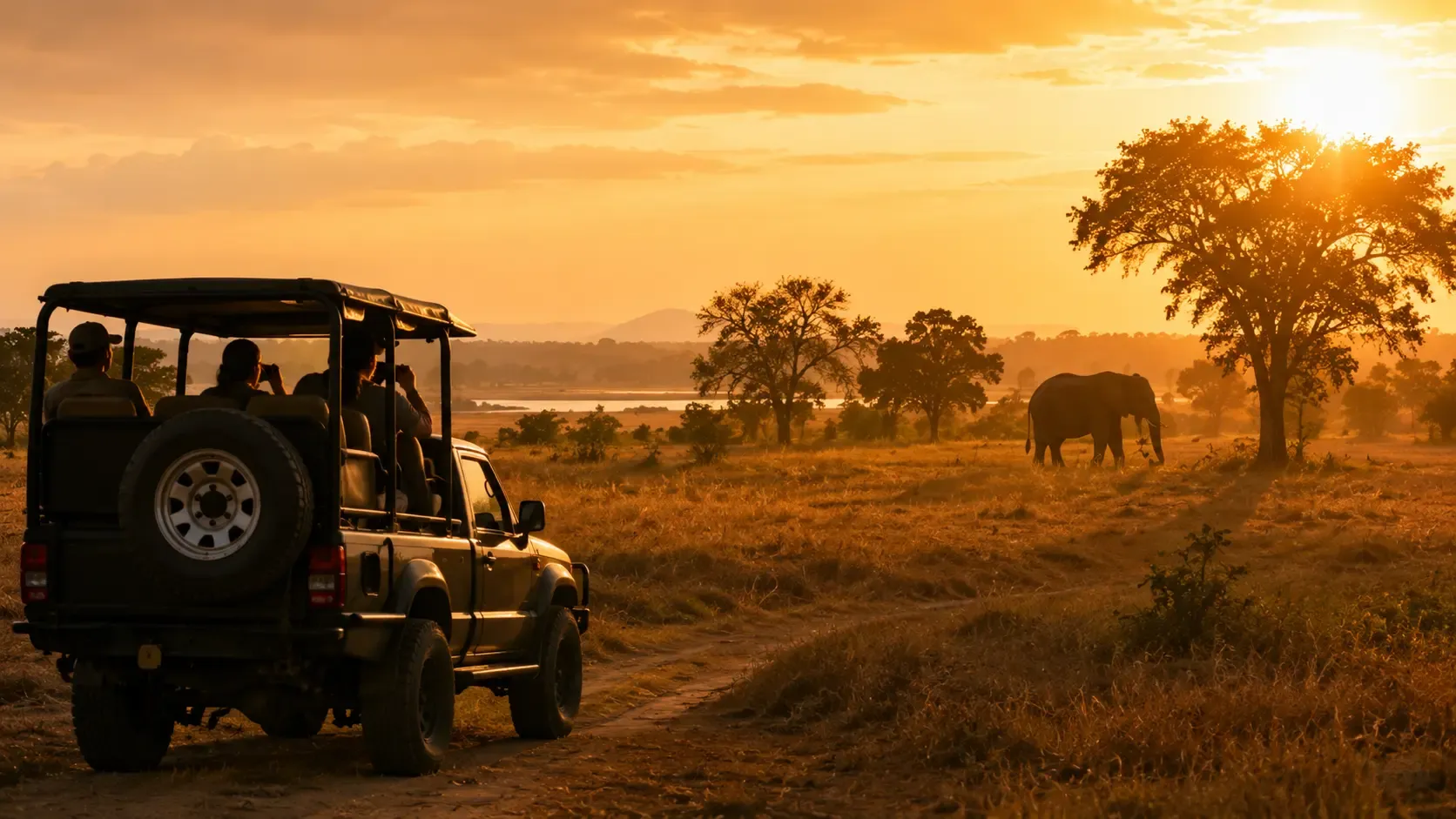
Sri Lanka is a small island with an outsized reputation among wildlife travelers - home to notable populations of leopards and elephants, alongside rich birdlife and, offshore, some of the more accessible whale-watching in the region.
Go With Local Guides
Wildlife encounters, whether on land or at sea, are far more rewarding - and far more responsible - with experienced local guides who understand animal behavior and know how to keep both wildlife and visitors safe.
Manage Expectations
Wildlife watching always involves some uncertainty; sightings aren't guaranteed on any single outing. Guides with strong local knowledge improve the odds considerably, but patience is part of the experience.
Respect the Distance
Responsible wildlife tourism means keeping a respectful distance and following guide instructions, even when it's tempting to get closer for a better photo. This matters both for animal welfare and for the safety of everyone involved.
An Experience Worth Building a Day Around
Whether it's an early-morning safari or a boat trip along the coast, wildlife encounters tend to work best as a dedicated, unhurried outing rather than a rushed stop between other plans.
Related Insights & Articles

August 24th 2026
Getting Around Sri Lanka: Transport Options Compared


August 24th 2026
Beyond the Beach: Cultural Experiences Worth Adding to Your Sri Lanka Trip

August 24th 2026
A First-Timer's Guide to Planning a Multi-Stop Sri Lanka Itinerary